When you think of Berlin, you might picture the Wall, techno clubs, or street art. But beneath the surface of its vibrant culture lies a quieter, older story-one about people who’ve worked in the sex industry for over a century. The history of escort services in Berlin isn’t just about sex. It’s about survival, power, law, and change. And it’s deeply tied to the city’s own identity through war, division, and rebirth.
Early Beginnings: The 19th Century and the Rise of the Courtesan
In the 1800s, Berlin was growing fast. Industrialization pulled people into the city, and with them came demand for companionship. Wealthy merchants, military officers, and government officials sought discreet company. Women-often widows, immigrants, or those with few options-became courtesans. They didn’t just provide sex. They offered conversation, music, and social access. Some lived in elegant apartments near Tiergarten. Others worked in private salons where patrons paid for an evening, not just a night.
There was no law against prostitution back then. But social stigma was strong. Many women kept their work hidden. Newspapers avoided the topic. Police turned a blind eye unless complaints arose. This silence wasn’t tolerance-it was convenience. The city needed these women to serve its elite, but didn’t want to admit it.
1920s: The Golden Age of Decadence
After World War I, Berlin exploded into chaos and creativity. The Weimar Republic brought freedom, art, and nightlife unlike anywhere else in Europe. Cabarets like the KitKatClub and Eldorado became famous for gender-bending performances. Prostitutes, including trans women and drag performers, walked the streets of Kurfürstendamm and Schöneberg openly. Many worked in brothels that were licensed, taxed, and inspected by the city.
Estimates suggest over 50,000 women worked in sex-related jobs in Berlin during the late 1920s. Some were independent. Others were controlled by pimps or organized crime. The government didn’t ban it-they regulated it. Women had to register, get medical checkups, and carry ID cards. It was control disguised as protection.
But this openness didn’t last. As the Nazi regime rose, everything changed. Homosexuals, Roma, and sex workers were labeled “asocial.” Thousands were arrested. Brothels shut down. Women disappeared into camps. The city’s once-thriving scene vanished overnight.
Postwar Years: Division and the Black Market
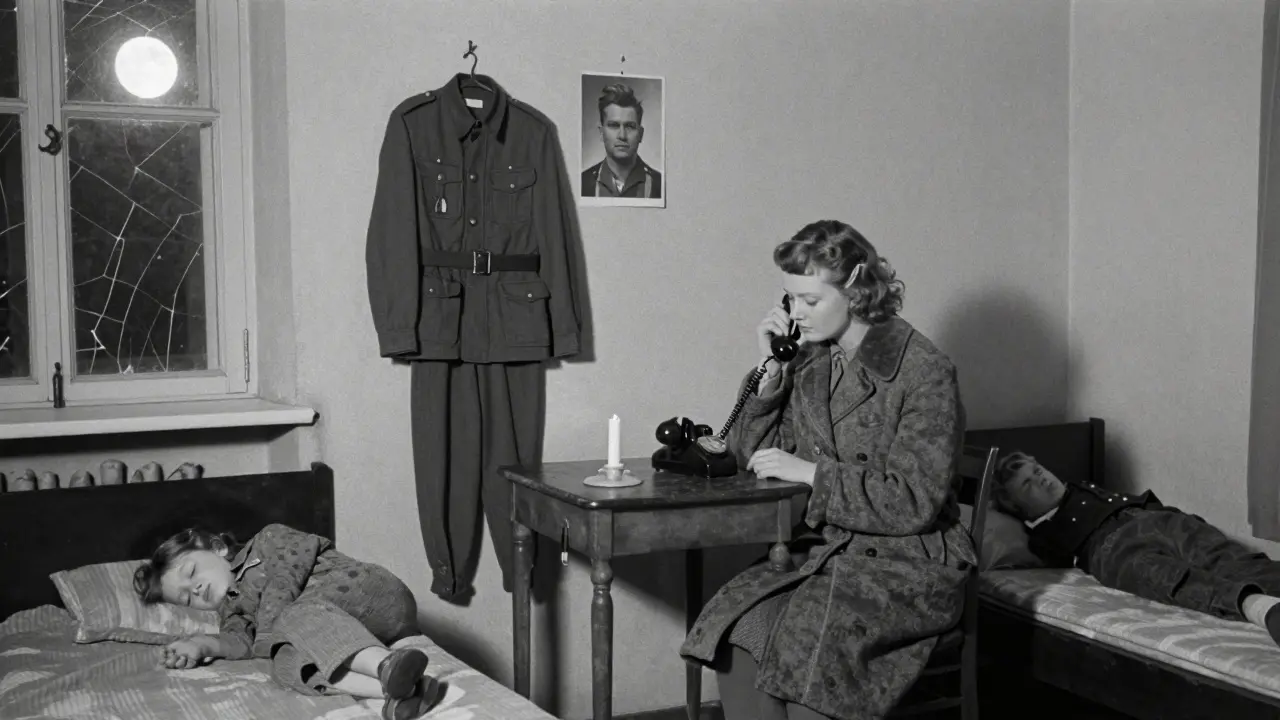
After 1945, Berlin was in ruins. Millions were homeless. Hunger was everywhere. Women turned to sex work to feed their children. American, British, and Soviet soldiers filled the streets. In the American sector, brothels reopened under military supervision. In the Soviet zone, the state took over. Women were forced into state-run “rehabilitation centers” that doubled as brothels.
East Berlin officially banned prostitution in 1950. But it never went away. Women worked in secret, often in apartments near the Wall. In West Berlin, the law remained unchanged: prostitution wasn’t illegal, but pimping and soliciting on the street were. This created a gray zone. Women could work indoors, but not advertise. They relied on word of mouth, phone lines, and trusted contacts.
By the 1970s, escort agencies began appearing in West Berlin. They offered companionship-dinner dates, theater tickets, travel-along with sex. Clients weren’t just soldiers anymore. They were businessmen, diplomats, tourists. The service became more about discretion than desperation.
Reunification and the 2001 Prostitution Act
After the Wall fell in 1989, East and West Berlin merged. The legal systems didn’t. East Germany’s ban clashed with West Germany’s tolerance. The solution? A new national law in 2001: the Prostitution Act. For the first time, sex work was recognized as a legitimate profession. Women could sign contracts, pay taxes, and get health insurance. Brothels could operate legally if they followed rules.
Berlin became the epicenter of this change. Agencies opened in Mitte and Charlottenburg. Websites like Escort Berlin and Companion Service listed profiles with photos, rates, and services. The city didn’t crack down-it adapted. Tourists came for the nightlife. Business travelers came for discretion. Locals came for companionship.
But the law had flaws. Many women still worked illegally. Trafficking grew. Some agencies exploited workers. The state struggled to enforce rules. Police focused on street soliciting, not agency abuse. The system looked fair on paper-but in practice, it left the most vulnerable behind.
Modern Berlin: Regulation, Resistance, and Reality
Today, escort services in Berlin are legal but tightly controlled. Agencies must register with the city. Workers must be over 18. No coercion is allowed. Clients can’t demand unsafe sex. But enforcement is weak. Many workers still operate alone, using apps like Telegram or private websites. They avoid agencies to keep more money and stay under the radar.
Organizations like Prostitutes’ Collective Berlin and Prostitution Network Germany offer legal aid, health checks, and safe spaces. They push for better protections-not legalization, but rights. They want workers to report abuse without fear. They want housing, pensions, and dignity.
There’s also a cultural shift. Younger Berliners see escort work differently. It’s no longer shameful. It’s a job. Some women choose it for flexibility. Others need it to pay rent. A 2023 survey by the Berlin Institute for Social Research found that 68% of women in the industry said they chose it voluntarily. Only 12% said they felt trapped.
But the stigma hasn’t vanished. Landlords still refuse to rent to known workers. Banks freeze accounts. Families disown daughters who enter the industry. The law says they’re equal. Society doesn’t always act like it.

What It’s Really Like Today
Walk through Prenzlauer Berg on a Friday night. You won’t see women standing on corners. You might see a woman in a café, talking to a client over coffee. Or a man in a suit leaving a quiet apartment in Neukölln. That’s the modern escort scene: quiet, professional, hidden in plain sight.
Prices vary. A two-hour date might cost €150-€300. Overnight stays go for €500-€1,000. Most workers set their own rates. They choose their clients. They use encrypted apps to communicate. Many have college degrees. Some are artists, students, or single mothers. They don’t fit the old stereotype.
The biggest threat now isn’t the law. It’s digital surveillance. Some clients use apps to record encounters. Others post photos online. Scams are common. Fake profiles. Stolen identities. Workers have to be smarter than ever.
Why This History Matters
Berlin’s story isn’t unique. Cities like Amsterdam, Paris, and Barcelona have similar histories. But Berlin’s is sharper-because it’s been torn apart and rebuilt so many times. The city has seen fascism, communism, capitalism, and chaos. Through it all, sex workers kept working. They didn’t ask for permission. They just survived.
Understanding this history changes how you see Berlin. It’s not just about clubs and beer halls. It’s about the people who kept the city running when no one else would. The women who cleaned offices after midnight. The men who drove taxis to pay for their kids’ school. The trans women who danced on stages and slept on park benches.
The law can change. The economy can shift. But as long as people need connection, comfort, or cash, escort services will exist. The question isn’t whether they should. It’s how we treat the people who provide them.
What’s Next for Berlin’s Escort Industry?
The next big debate isn’t about legality. It’s about safety. Workers are pushing for:
- Government-backed verification systems for agencies
- Access to public housing without discrimination
- Healthcare coverage that includes mental health and STI prevention
- Legal protection from online harassment and doxxing
Some politicians want to ban advertising. Others want to legalize brothels fully. But the women on the ground say one thing: Don’t criminalize us. Don’t glorify us. Just let us work safely.
That’s the real history of escort services in Berlin-not the myths, not the scandals. It’s the quiet persistence of people trying to live with dignity in a city that never stops changing.
Is escort work legal in Berlin today?
Yes, escort work is legal in Berlin under Germany’s 2001 Prostitution Act. Workers must be over 18, work voluntarily, and not be exploited. Agencies must register with local authorities. However, soliciting on the street, pimping, and human trafficking remain illegal. Many workers operate independently using private platforms to avoid regulation.
Are escort services in Berlin safe?
Safety varies. Registered agencies follow basic rules, but most workers operate independently. The biggest risks come from online scams, clients who record without consent, and lack of legal recourse if abused. Many workers use encrypted apps, screen clients, and meet in public places first. Support groups like Prostitution Network Germany offer safety tips and emergency contacts.
Do escort workers in Berlin pay taxes?
Yes, if they register as self-employed, they must pay income tax and social contributions. Many don’t, because reporting makes them visible to authorities and landlords. Some use freelance platforms that handle taxes automatically. Others work cash-only to stay under the radar. The government encourages registration but doesn’t enforce it strictly.
How has tourism affected escort services in Berlin?
Tourism boosted demand, especially from North America and Asia. Many agencies now market themselves as “companion services” for business travelers and tourists seeking discretion. Events like Berlin Music Week and Christmas markets bring spikes in bookings. But most workers aren’t targeting tourists-they’re serving locals who want companionship without judgment.
Can foreigners work as escorts in Berlin?
Yes, if they have legal residency or a work visa. EU citizens can work freely. Non-EU citizens need a residence permit that allows employment. Many come from Eastern Europe, Latin America, and Southeast Asia. Some arrive on tourist visas and overstay. This puts them at risk of deportation if caught. Legal status doesn’t guarantee safety-but it does offer more options.
Are there any famous escort agencies in Berlin?
There are no publicly advertised “famous” agencies, but some have built reputations over years. Names like Companion Berlin, Elite Berlin, and Berlin Ladies appear on private directories. These aren’t listed on Google or social media. They rely on word of mouth and client referrals. Most avoid publicity to protect their workers and clients.