London nights are legendary, but navigating them as a visitor can feel like solving a puzzle without all the pieces. You want the buzz of the West End, the cool vibe of Shoreditch, or maybe a quiet pint in a historic pub, but the city sprawls wide and the rules aren't always obvious. This guide cuts through the noise to show you exactly where to go, how to get there, and what to expect when the sun goes down in 2026.
Choosing Your Neighborhood
London isn't one city; it's a collection of distinct zones, each with its own rhythm. Picking the right area saves you hours of travel time and keeps your energy high. For international visitors, location dictates the experience more than anything else.
Soho is the beating heart of London's nightlife, packed with cocktail bars, late-night clubs, and diverse dining options. It stays open late, often until 4 AM, making it perfect for those who want to keep the party going. The streets are narrow and crowded, so expect to shoulder-to-shoulder with locals and tourists alike.
If you prefer a trendier, younger crowd, head to Shoreditch. This area is known for its indie music venues, craft cocktail bars, and vibrant street art scene. It feels more relaxed than Soho but still gets very busy on weekends. Many venues here require booking in advance, so don't just walk in expecting a table.
For a mix of rock history and modern clubs, Camden Town offers a gritty, alternative vibe with markets by day and live music venues by night. It's a favorite for those who want to see bands rather than just dance. The atmosphere is less about glamour and more about raw energy.
Finally, the West End is ideal for theatergoers and those seeking classic pubs and high-end lounges. It's central, safe, and full of tourists, which means English is the universal language and staff are used to international guests.
| Area | Vibe | Best For | Closing Time |
|---|---|---|---|
| Soho | Busy, Glamorous | Cocktails, Clubs | 04:00 AM |
| Shoreditch | Trendy, Indie | Live Music, Craft Beer | 03:00 AM |
| Camden Town | Alternative, Raw | Rock Bands, Markets | 02:00 AM |
| West End | Classic, Safe | Theater, Pubs | 02:30 AM |
Types of Venues You Will Find
Understanding the venue types helps you manage expectations. A "pub" in London isn't just a place to drink; it's a community hub. A "club" usually means dancing and strict dress codes. Knowing the difference prevents awkward entry refusals.
Traditional Pubs are the backbone of British social life. They serve beer, wine, and spirits, often with food until late. These places are welcoming to solo travelers and groups. You sit at tables or communal benches. Prices range from £6 for a pint of lager to £8 for a craft beer. Staff won't rush you, but they also won't bring you a menu unless you ask.
Speakeasies have become a massive trend since 2023. These are hidden bars, often without signs, requiring you to find a secret door or enter a code. They focus on high-quality mixology. Expect to pay £15 to £20 per drink. The atmosphere is intimate and quiet, perfect for conversation rather than shouting over music.
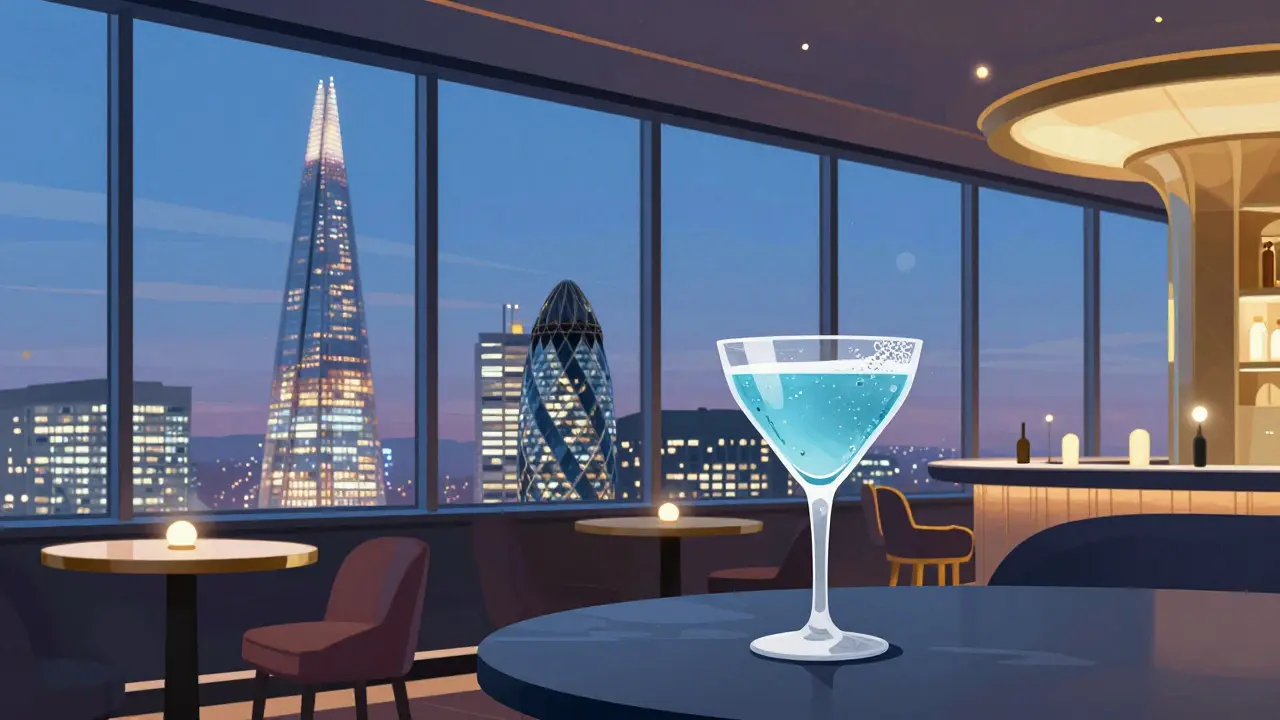
Sky Bars offer views of the skyline. Places like The Shard or 30 St Mary Axe host bars high above the street. These are great for a pre-party drink or a romantic evening. Prices are premium, often starting at £18 for a cocktail, but the view is unmatched.
Clubs are where the night ends. They usually open late, around 11 PM, and close at 2 AM or 4 AM depending on the license. Entry fees can range from £10 to £30. Dress codes are strict; no trainers (sneakers) or sportswear. If you look like you're going to the gym, you won't get in.
Getting Around After Dark
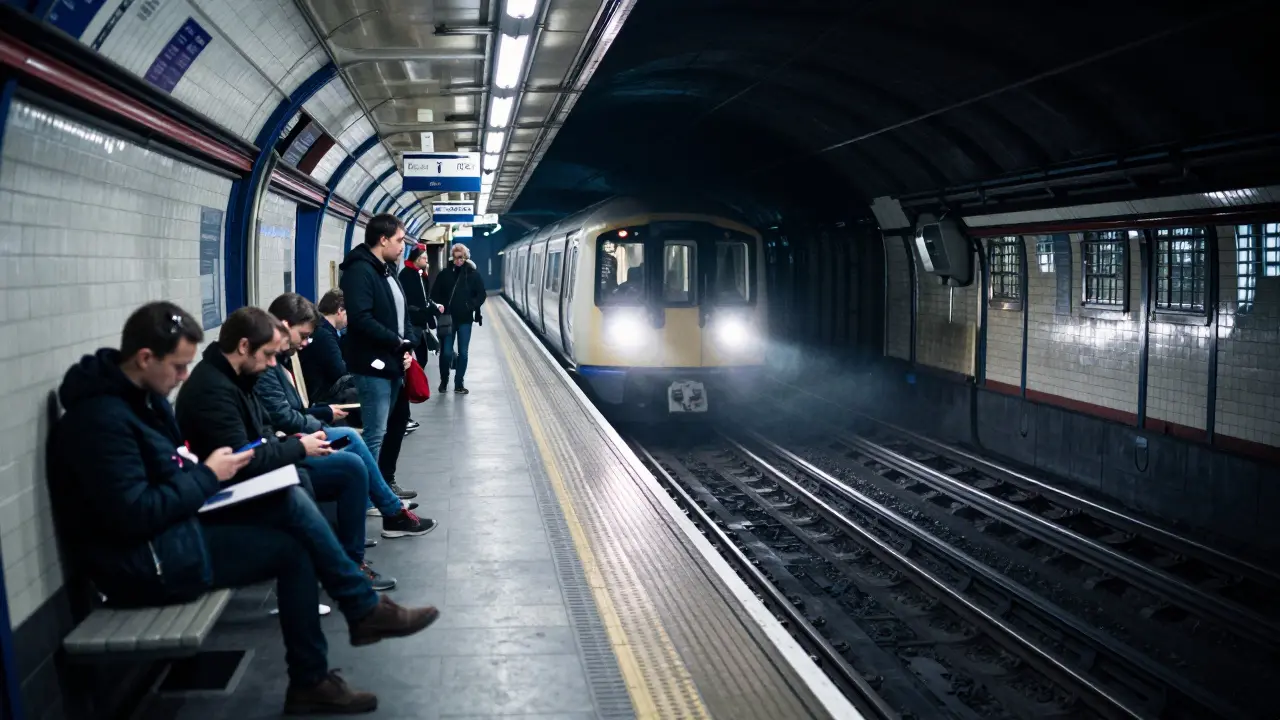
Transport is the biggest hurdle for visitors. Taxis are expensive, and walking long distances in the dark isn't always safe. The public transport system, The Tube, is London's underground railway network that operates late on weekends and connects all major nightlife areas.
On Fridays and Saturdays, the Night Tube runs on specific lines until 5 AM. This is a game-changer. You can stay out late without paying for a cab. Check the Transport for London website before you go, as lines vary. If the Tube stops, you have to rely on buses or rideshare apps.
Using an Oyster Card or contactless payment is the easiest way to pay for travel, capping your daily spend automatically. You don't need to buy a paper ticket. Just tap your card or phone at the gate. This saves time and money compared to buying single tickets at machines.
For safety, avoid unlicensed taxis. Look for black cabs with a roof light or use official apps. Walking alone late at night in central London is generally safe, but stick to well-lit streets. If you are in a group, stay together.
Money and Budgeting
Nightlife in London is pricey. A night out can easily cost £100 per person if you drink heavily. Plan your budget before you step out. Cash is less useful now; most places accept cards or contactless payments. Some clubs are cash-only for cover charges, so keep a little on hand.
Drink prices vary wildly. A pint in a pub is £6 to £7. A cocktail in Soho is £14 to £18. Bottles in clubs can cost £50 to £100. If you want to save money, drink in the pub before heading to the club. This is a common local habit called "pre-gaming" or "pre-drinking."
Also, be aware of the service charge. In the UK, a 12.5% service charge is often added to the bill automatically. Check your receipt before tipping. If the service was exceptional, an extra 5% is appreciated, but it's not mandatory.
Timing and Last Call
London has strict licensing laws. Most bars stop serving alcohol at 11 PM, but clubs and late-night venues have licenses until 2 AM or 4 AM. This means you might get kicked out of a pub at 11 PM and have to walk to find a club that opens at 11:30 PM.
Last Call is usually 30 minutes before closing. If the club closes at 2 AM, they stop pouring drinks at 1:30 AM. Don't wait until the end to order your final round. Arrive early to see the venue before it gets packed.
Weekdays are quieter. Monday to Thursday nights are for business drinks or low-key pub sessions. The real party starts on Friday and Saturday. Sundays are closing day for many clubs, though some pubs stay open.
Safety and Etiquette
London is a safe city, but pickpocketing happens in crowded areas. Keep your phone in your front pocket and your bag zipped. Don't flash expensive jewelry or watches in clubs.
Etiquette matters. Queueing is a British art. If there is a line outside a club, stand in it. Cutting in line will cause arguments. When ordering, be polite. Saying "please" and "thank you" goes a long way with bartenders.
Also, respect the dress code. If a bouncer tells you you can't enter because of your shoes, don't argue. They have the final say. It's better to change your outfit than to waste time arguing.
Do I need ID to enter clubs in London?
Yes, you almost always need ID. Clubs require proof of age for everyone under 30, even if you look older. Bring a passport or a valid driver's license. Photocopies are not accepted.
Is it safe to walk alone at night in London?
Central London is generally safe, but it is wise to stay in well-lit areas. Avoid parks late at night. If you feel uncomfortable, take a licensed taxi or use a rideshare app.
Can I use my US credit card for travel in London?
Yes, most major cards work, but contactless payment is preferred. Ensure your card has no foreign transaction fees. Notify your bank before traveling to avoid blocks.
What time do bars close in London?
Pubs usually close at 11 PM. Clubs and licensed bars can stay open until 2 AM or 4 AM depending on their license. Check the venue's website for specific hours.
Do I need to book a table at restaurants?
For dinner before a night out, booking is recommended, especially on weekends. Many popular spots fill up quickly. Walk-ins are possible but may involve long waits.